Om Prakash: Care and companionship in Dehradun
Om Prakash received rations, hygiene supplies, dressing support and companionship through Dev Bhoomi Samiti’s leprosy support programme in Dehradun.
Life before support
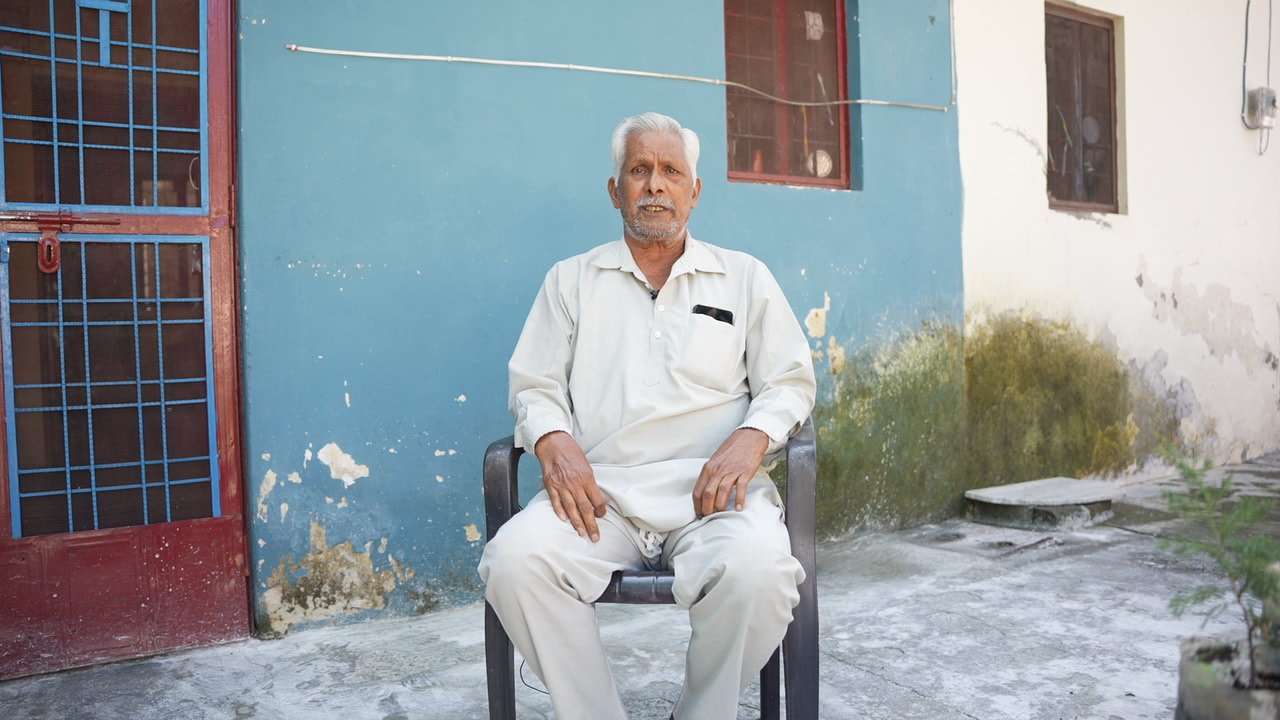
Om Prakash's story began in Nainital, Uttarakhand. He was diagnosed with leprosy in childhood, at a time when fear and misunderstanding about the disease shaped the way people responded to him. Rejection and social exclusion became part of his early life.
Over the years, he moved between ashrams and shelters in the region. Those places offered somewhere to stay, but the wider difficulties continued. He lived with physical weakness and the effects of illness, together with the experience of being kept at a distance by society.
For someone who had spent so much of life moving between places of refuge, continuity of care mattered. Food, hygiene and help with physical needs had to be available beyond a single encounter. He also needed relationships in which he could feel respected and at ease.
During the April–September 2026 programme period, Om Prakash was over seventy-three and receiving support in Dehradun. His circumstances brought together several needs common to the older people we support: assistance with essentials, access to care that can reach them and contact with people who will spend time with them.
His earlier years explain why that last part was so important. A long history of exclusion can make belonging difficult to recover. Providing useful items was one part of the response; establishing a caring connection around him was another.
How we helped
Through Dev Bhoomi Samiti's Elder Leprosy Care & Dignity Programme, supported by Give.do donors, Om Prakash received food ration kits, hygiene supplies and assistance with wound dressings. Care was brought to him, making it easier to receive support alongside the physical limitations of older age.
Ration assistance helped with the everyday need for meals. Hygiene items and dressing support addressed another part of his routine, giving him access to supplies and care associated with his condition. These forms of support were provided together as part of the programme.
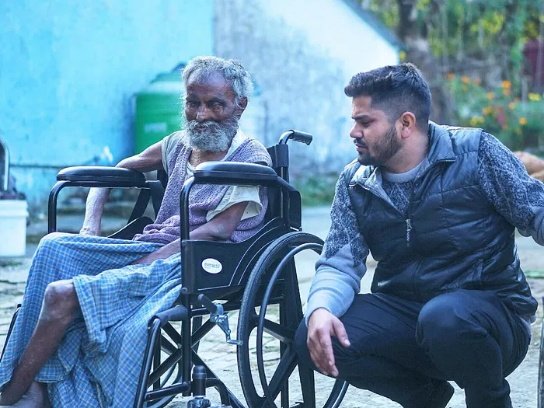
Caregivers also spent time with Om Prakash. They offered physical assistance, companionship and emotional support. Their presence gave him opportunities for contact with people who approached him respectfully and were willing to listen.
The programme's work around him connected these different needs. Food and care supplies supported practical aspects of life; time with caregivers helped make that care personal. Om Prakash had people who recognised his circumstances and made an effort to respond.
Support from donors made this work possible. Within Om Prakash's daily life, that support took the form of tangible essentials and human contact—the food he could use, the care brought to him and the people who spent time beside him.
What changed
Om Prakash gained a more dependable circle of care in Dehradun. Food, hygiene supplies and dressing assistance helped him meet needs that had remained important throughout his later life. The caregivers' involvement also brought companionship after many years marked by rejection.
He experienced a greater sense of belonging through these relationships. Support was available around him, and people treated him with respect. That connection was especially meaningful against the background of his childhood exclusion and years in different shelters.
The change in his story can be understood through continuity: practical needs being addressed together, care coming within reach and people making time for him. These elements gave him reassurance and a more supportive everyday environment.
Om Prakash's experience is a reminder of how much elder care depends on relationships. His story includes material assistance and personal care, and it also includes being welcomed as someone whose life deserves attention, dignity and company.