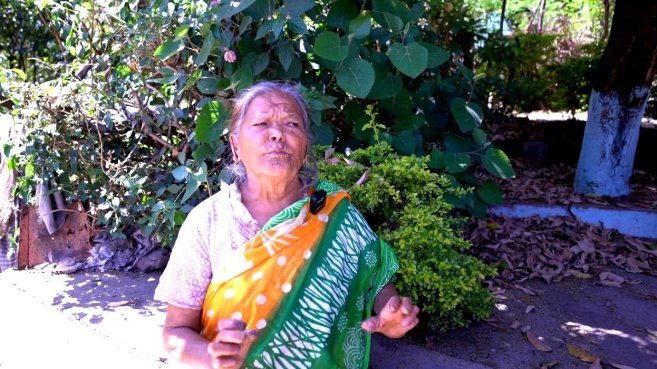
Anjum: Food, care and someone to talk to
For Anjum, support from Dev Bhoomi Samiti brought food, essential care supplies and companionship after years of isolation linked to leprosy.
Life before support
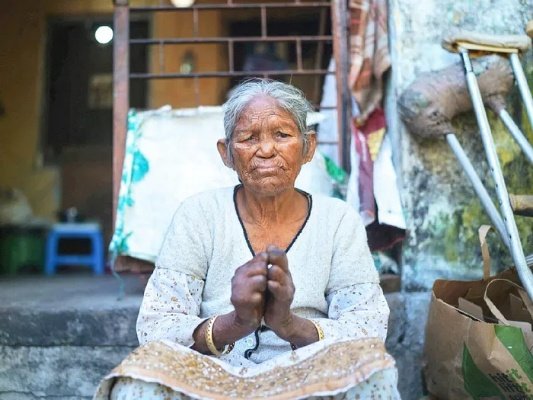
For Anjum, living with leprosy had also meant living with other people's distance. She was over eighty, and the illness had been part of her life for many years. As her need for everyday support grew, contact with the people around her had become increasingly limited.
The isolation affected ordinary parts of life. There were fewer people to talk to, fewer opportunities to take part in social life and less reassurance that someone would notice when she needed help. Fear and misunderstanding about leprosy had made others reluctant to approach her. Anjum was left carrying the effects of that rejection alongside her physical difficulties.
Food and care supplies were practical concerns. Companionship was another. Having essential items available mattered, but so did being able to speak to someone without being avoided. These needs shaped the support Dev Bhoomi Samiti brought into her life.
Her circumstances called for a patient relationship. Years of exclusion could not be answered by a parcel alone. She needed assistance that reached her as a person, with room for conversation, attention and participation in the world around her.
How we helped
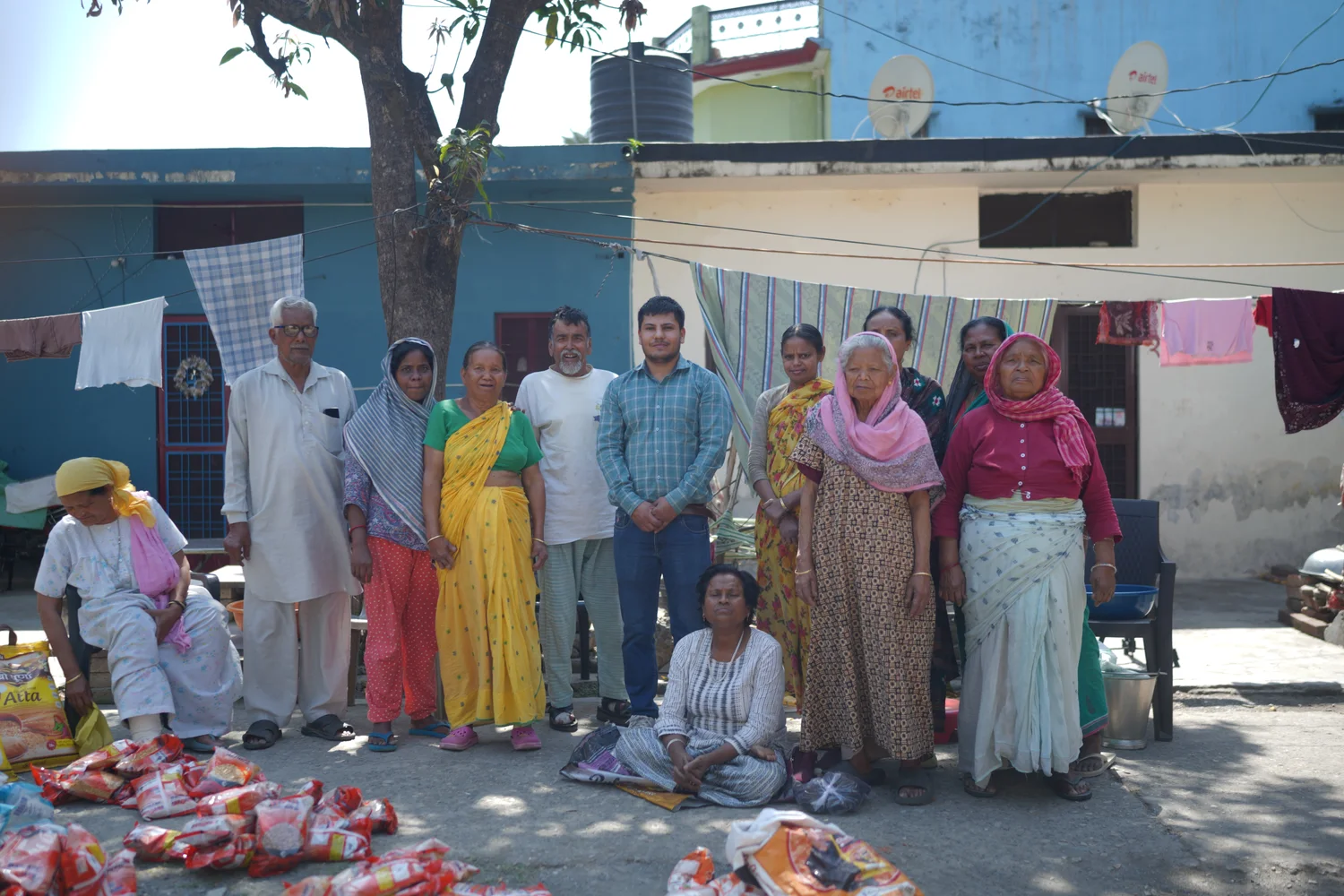
Dev Bhoomi Samiti provided Anjum with ration supplies and items to support her care. This helped address the everyday needs that had become difficult for her to manage. Food assistance and care supplies gave the team a practical starting point for supporting her.
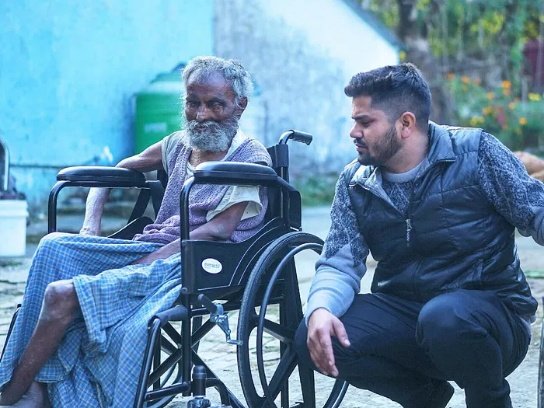
The team also offered companionship and encouragement. Spending time with Anjum created opportunities to listen and to understand how isolation was affecting her life. She was approached with respect, and her need for company was taken seriously alongside her need for essentials.
The support encouraged her to reconnect with others. For someone who had experienced people keeping their distance, a welcoming response made that contact possible again. She could be part of a conversation and receive help without being reduced to her illness.
This combination was central to our work with Anjum: assistance with daily needs, together with a human connection that made the assistance feel personal. Care involved the way she was treated as much as the supplies she received.
What changed
Anjum gained access to essential supplies and began to reconnect socially. The support brought reassurance after a long period in which loneliness had become a defining part of her days. She had people who were willing to engage with her and recognise her place in the community.
The change was visible in these everyday relationships. Receiving food and care items helped with practical concerns; being welcomed helped her feel less alone. Together, they gave her a greater sense of belonging and encouraged her to take part in life around her.
Anjum's story shows why companionship belongs within elder care. Her experience of support included someone taking time for her, responding to her needs and treating her with the dignity she had too often been denied.