Lal Bahadur: Wound care brought to his doorstep
Doorstep dressing support and food assistance helped Lal Bahadur. During April–September 2026, his wounds improved and pain eased; mobility stayed limited.
Life before support
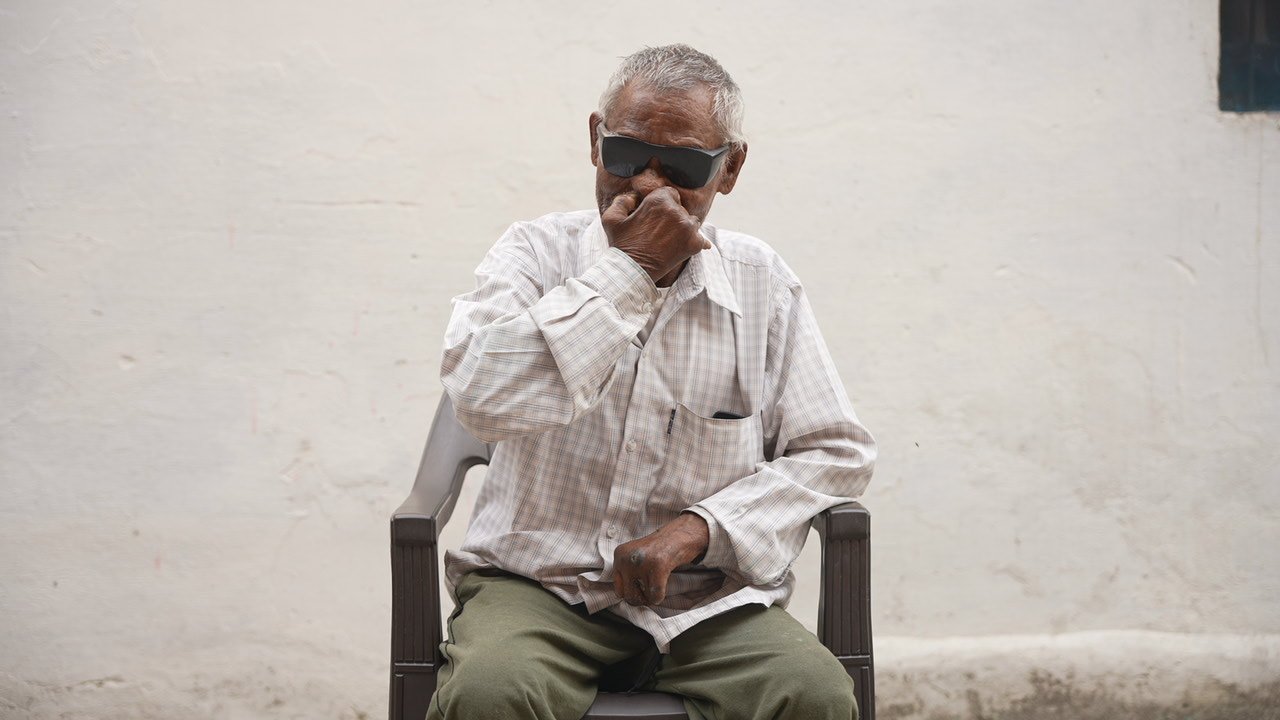
Lal Bahadur was around eighty and living with longstanding wounds on his feet. His mobility was severely limited, and the discomfort affected even basic parts of daily life. Standing, walking and managing ordinary tasks had become difficult.
The condition of his feet was made harder to manage by poverty. Bandages, antiseptic supplies and food were all needs he struggled to afford. Limited movement made it difficult to go out for assistance, while a lack of resources made it harder to obtain the items needed for care.
Social isolation added to these pressures. Lal Bahadur was spending much of his time in a small room with little support around him. His physical difficulties and the stigma associated with leprosy had left him facing a demanding situation largely alone.
There was a clear problem of access. Care could only help if he could actually receive it. Expecting him to make repeated journeys would have placed another obstacle in the path of someone already unable to move easily.
The need for food was closely connected with the need for care. Both were part of daily life, and both required continuing attention. Our team needed to help with both daily care and the practical difficulties he faced.
How we helped
Dev Bhoomi Samiti arranged doorstep wound care through the Elder Leprosy Care & Dignity Programme. Healthcare staff visited Lal Bahadur to clean and dress his foot wounds, providing attention in the place where he was living. Necessary care and supplies were brought within his reach.
These visits helped address the difficulty he had faced in obtaining dressing materials and assistance. The care focused on wounds that had remained a persistent source of distress, with hygiene and dressing support forming part of the response.
Lal Bahadur also received monthly ration and nutrition support. This gave him help with food alongside the attention to his feet. Caregivers could respond to the practical circumstances around him while the programme supported his everyday needs.
The assistance was supported by Give.do donors. Their contributions helped make it possible for the team to reach an older person whose limited mobility and lack of money had kept important forms of help out of reach.
Throughout this work, the way Lal Bahadur was treated mattered. The visits brought respectful personal attention into a life that had become isolated. He received company as well as care, with people taking time to respond to the difficulties he was experiencing.
What changed
During April–September 2026, Lal Bahadur's wounds improved and his pain eased with continuing care. The programme's combination of wound support, hygiene assistance and food provision helped address several needs that had previously been difficult for him to meet.
His mobility remained limited. He still needed assistance, even as the condition of his wounds improved. The progress in his story is therefore best understood in everyday terms: less pain, attention to his feet and care reaching him where he lived.
The presence of caregivers also reduced the sense of facing these difficulties alone. People were visiting, responding to his needs and treating him with consideration. That contact was an important part of the support around his physical care.
For Lal Bahadur, bringing help to the doorstep changed what was accessible. A person who had struggled to obtain basic supplies was receiving a combination of care and nutrition support, with continuing attention to the needs that remained.