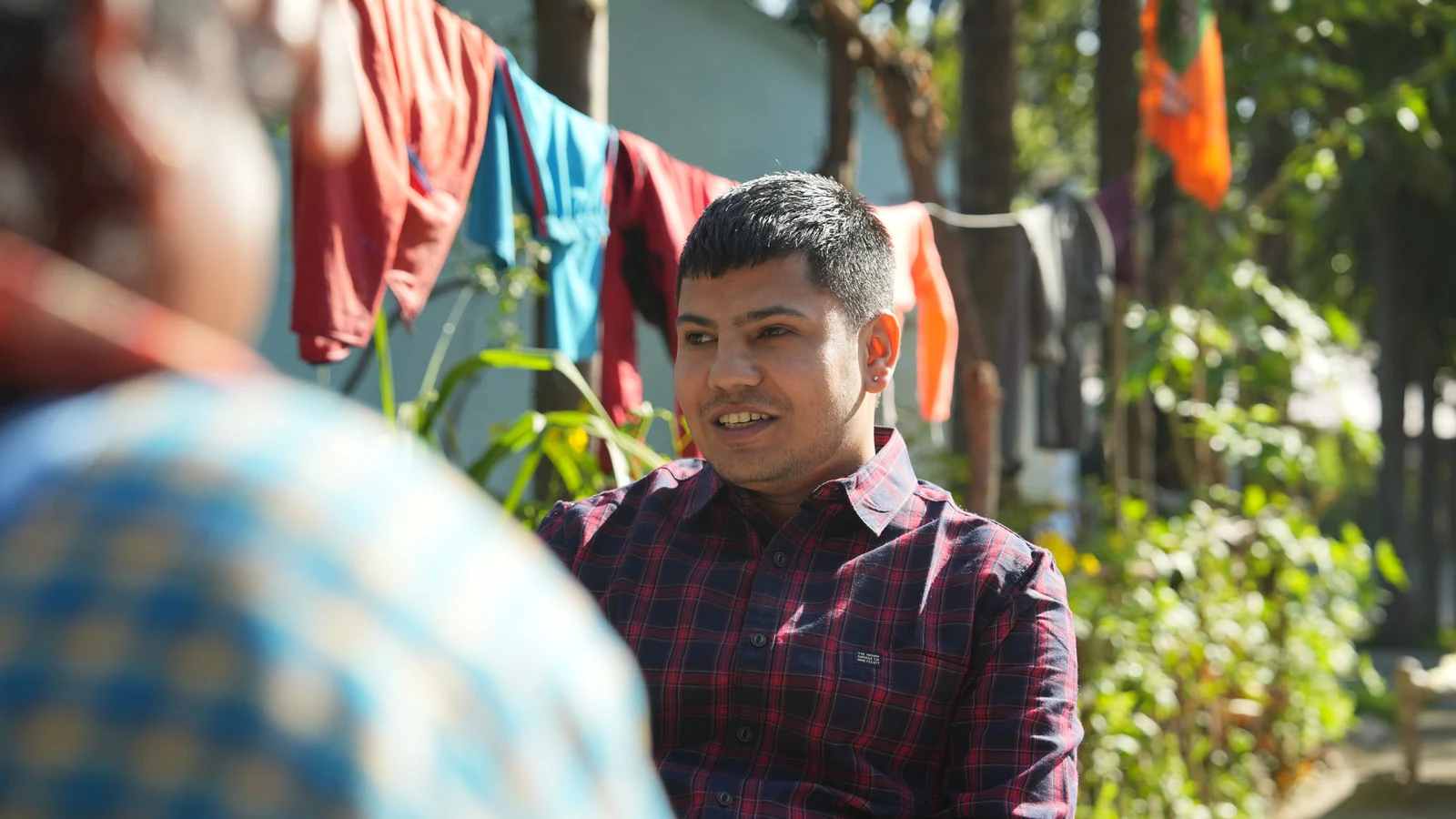
Leprosy in Uttarakhand: Why Early Care Matters
Home / Blog / Leprosy in Uttarakhand: Why Early Care Matters
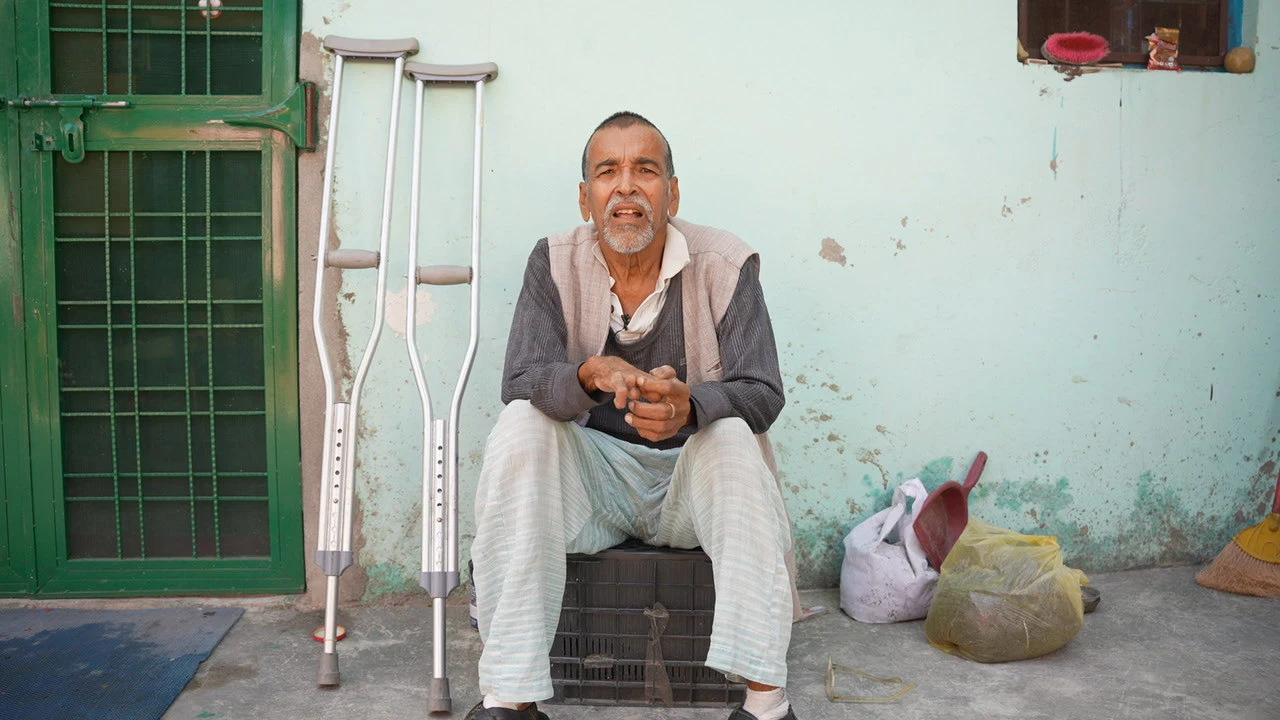
Early care protects health and dignity
Leprosy, also called Hansen disease, is curable. It mainly affects the skin and peripheral nerves. A pale or reddish skin patch with reduced sensation can have many causes, so a qualified health professional should assess it rather than relying on self-diagnosis. The World Health Organization says early diagnosis and treatment can help prevent disability.
In hill communities, distance, stigma, and uncertainty can delay a visit to a health centre. Families can help by listening without blame, protecting privacy, and supporting a timely appointment and follow-up. Leprosy is not a reason to exclude a person from family or community life. WHO explains that casual contact such as sharing a meal or shaking hands does not spread the disease.
Dev Bhoomi Samiti lists health, elder care, and support for leprosy-affected elders among its focus areas. Learn more through the health and nutrition program and consult a qualified health worker for personal medical concerns. WHO: Leprosy.
Recent Blogs
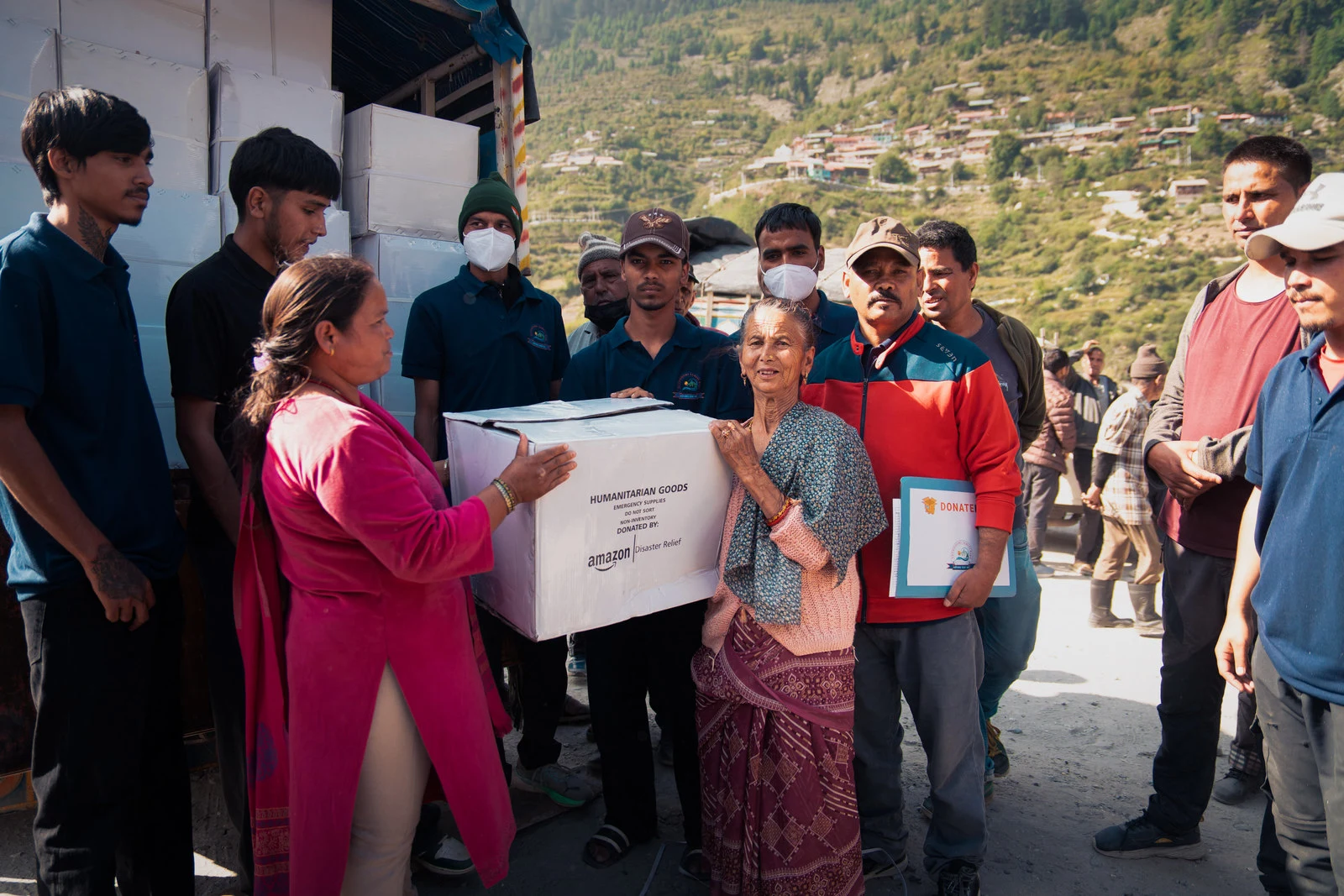
Community Resilience and Environmental Awareness in Uttarakhand
Read More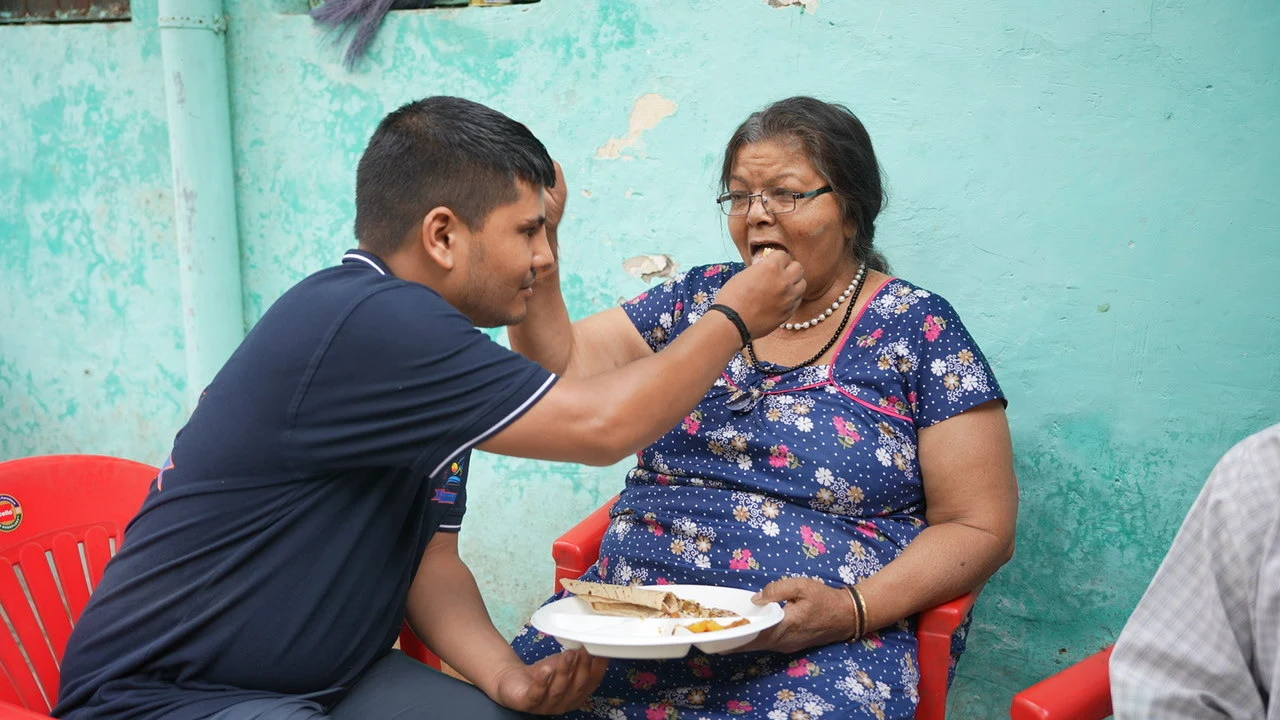
Accessible Care for Older Adults in Rural Communities
Read More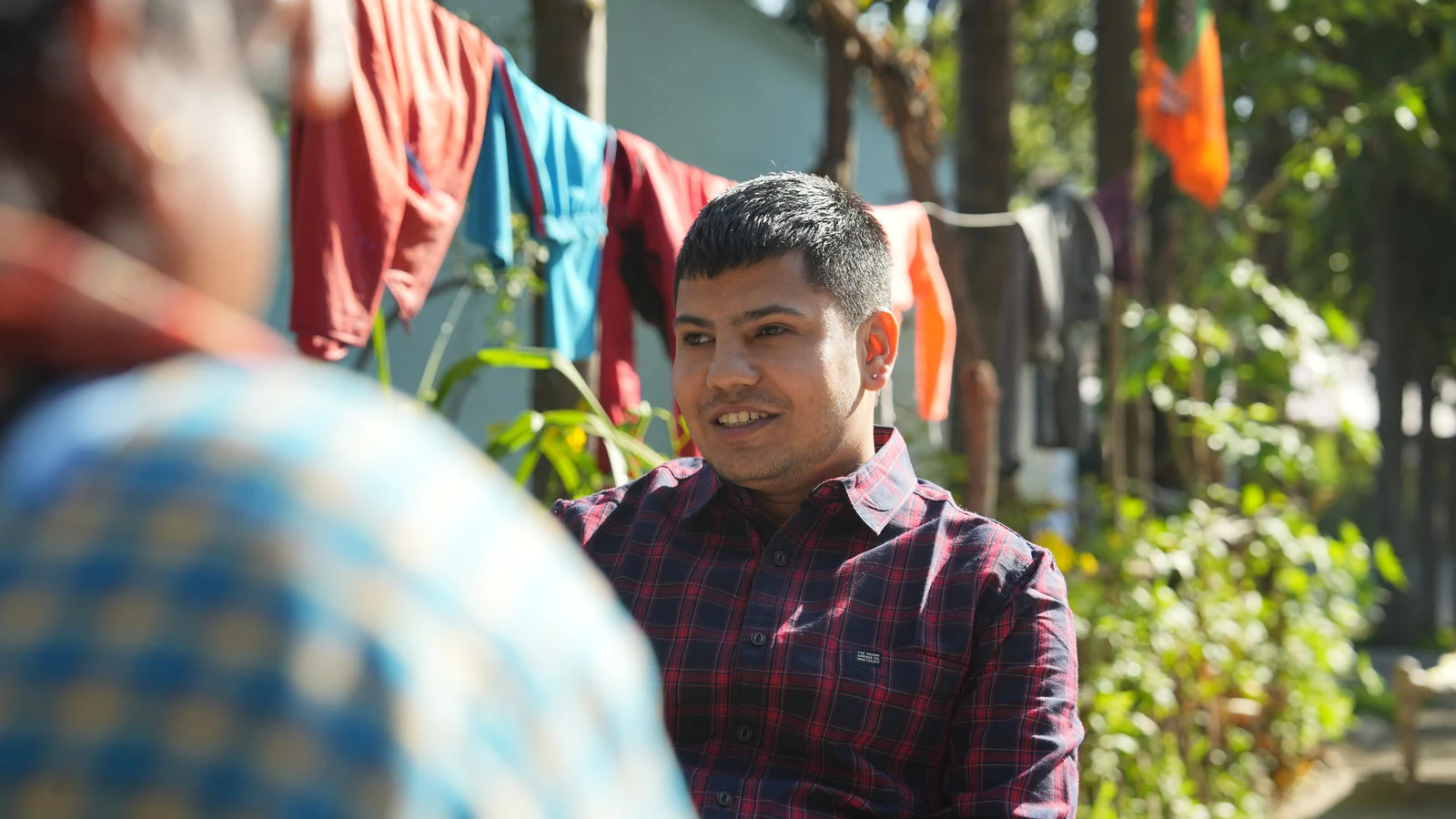
How NGO and Business Partnerships Can Support Communities
Read More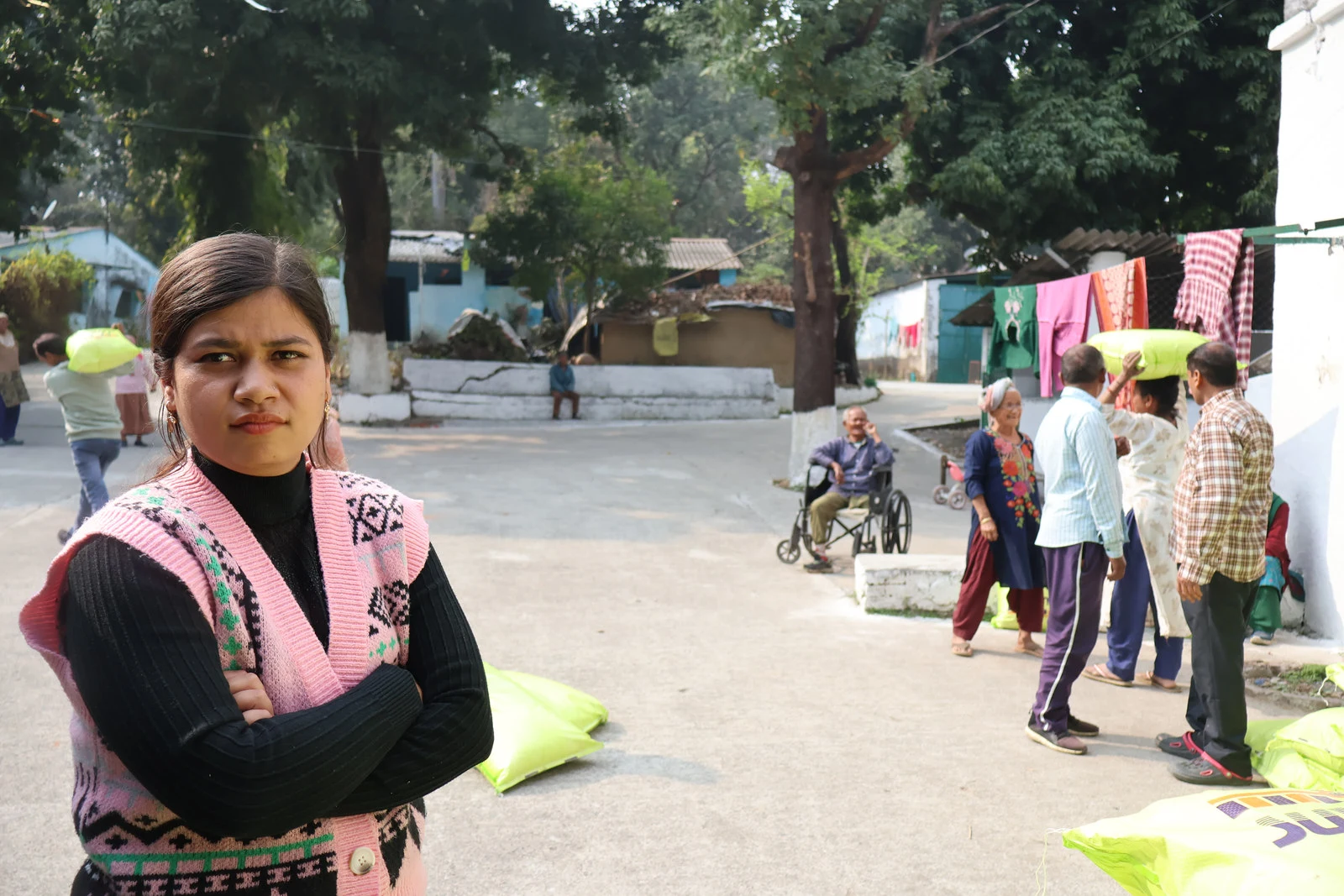
Volunteering with a Community Organisation in Dehradun
Read More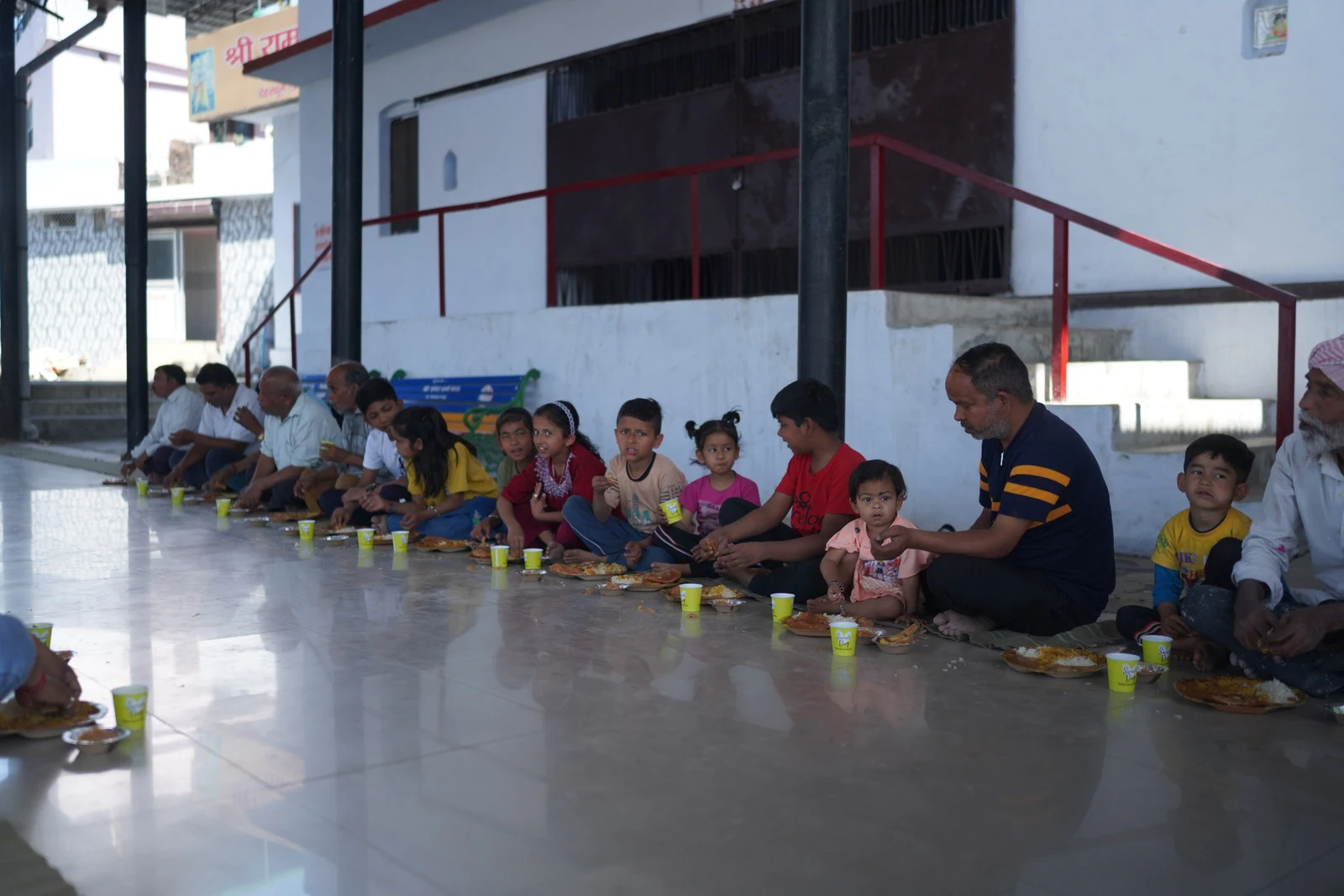
Community Meals and Food Support in the Hills
Read More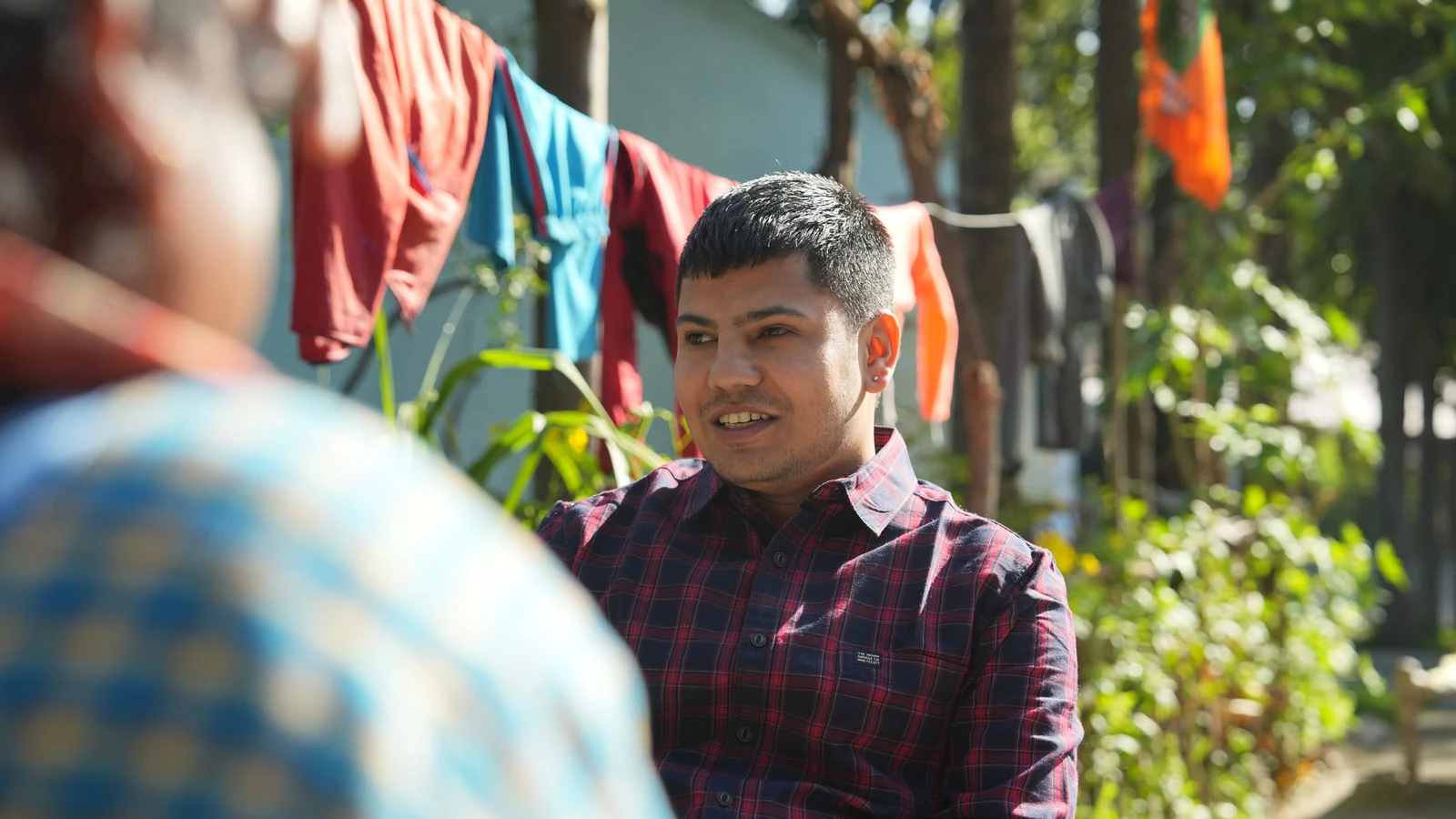
Giving Responsibly During an Uttarakhand Emergency
Read More
Helping Himalayan Villages Recover After a Landslide
Read More
Disaster Relief in Uttarakhand: Support Beyond the First Response
Read More
Skill Development That Responds to Local Needs
Read More